top of page

Conversations on SDGs

  • Facebook
  • Twitter
  • LinkedIn
  • Instagram

The meetings of the Disaster Risk Reduction Working Group under the Indian Presidency recently came to a close in Chennai. Through these meetings, the G20 countries came to a consensus that disaster risk reduction is an essential pillar to achieving growth in the future. They decided to focus on 5 areas which are Global Coverage of Early Warning Systems, Disaster and Climate Resilient Infrastructure, Financing Framework for Disaster Risk Reduction, a Disaster Response System, and an Ecosystem-based approach to Disaster Risk Reduction.


I find the focus area of building Global Coverage of Early Warning Systems particularly important and am glad that all G20 countries along with international institutions are also focusing on transforming this early warning to early action. This means supporting a variety of methods of disaster risk reduction, especially Anticipatory Action (I had put up an earlier post on the Bangladesh Red Crescent Society which is doing great work in this field, check it out if interested!). This helps build capacity while also encouraging collaborations between different people.


I believe that the focus area of a Financing Framework for Disaster Risk Reduction has also been necessary for a long time. This is because if the national financing strategies are more comprehensive, then the financing for mitigating the impact of these disasters will be more effective.

ree

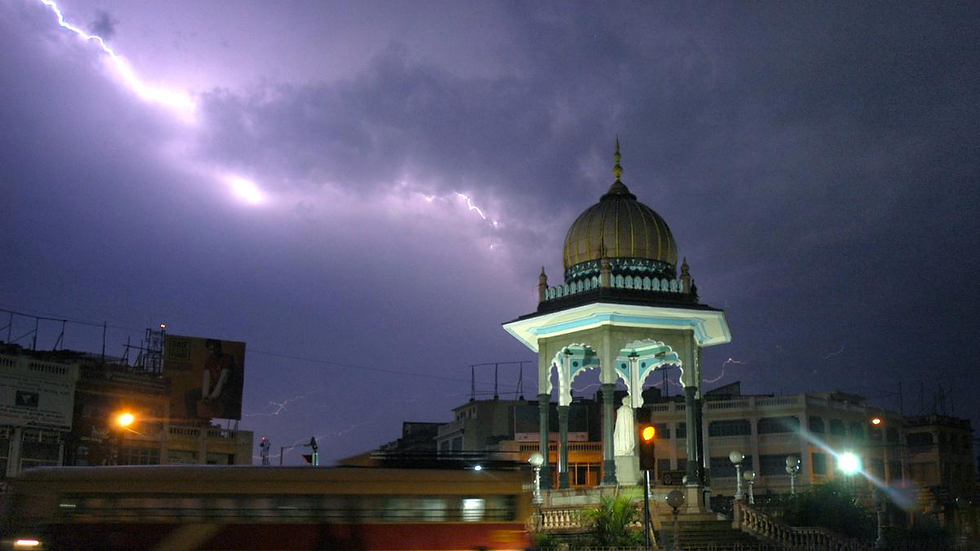
In the past few years, there has been an increase in the number of deaths due to lightning strikes in countries such as India, Pakistan, and Bangladesh. In 2022 only, lightning strikes in India killed 907 people - the highest number of deaths recorded due to lightning in 14 years. Some states like Bihar have also lost 1500 people due to lightning strikes in the past 15 years.


Surprisingly despite lightning strikes being so prevalent, having a drastic impact and there being an early warning system for lightning strikes in India, the Central Govt isn't in support of considering lightning strikes as disasters. One of the reasons for this may be the fact that if lightning is considered a natural disaster then it gets added to the list of disasters for which people can receive compensation through the State Disaster Response Fund. The argument that has been put forward by the government to defend its stance has been that deaths due to lightning strikes can be prevented with awareness programs. It talked about how it provides warnings to people 3-5 days before a lightning strike is expected. It also highlights how most of the states in Central India, such as Madhya Pradesh, Chhattisgarh, and Odisha experience more deaths due to lightning strikes as people don't follow the warnings and precautions given by the government.


I am glad that the government provides early warnings about expected lightning strikes to people, but I want people to follow these warnings. This is crucial as we have seen the devastating impacts that lightning can have on families and their livelihoods.

ree

Recently the United Nations Development Programme (UNDP) and the Norwegian Geotechnical Institute (NGI) collaborated to improve the early warning system for landslides in Cox's Bazaar, a city in Bangladesh that contains the largest refugee camp in the world. This project has been undertaken with the help of the Royal Norwegian Embassy.


A workshop was conducted a few days ago on landslide risk management to discuss the risks that landslides pose to the Rohingyas during the monsoon season. This is because there is a higher chance of landslides and flooding in the monsoons. It specifically focused on how to mitigate the impact felt by this community and build resilience towards such types of disasters in Cox's Bazaar.


This is particularly important as in the past few years Cox's Bazaar has become increasingly vulnerable to landslides due to a high amount of deforestation and rainfall. I also believe that this is essential as according to me Disaster Risk Reduction and Capacity Building are key pillars that have to be achieved to reach the SDGs set by the United Nations.


©2022 by Jai Kalra

bottom of page